



Generation of Computer
Computers are divided into 5 generations based on technology improvements.
🟢 1️⃣ First Generation (1940 – 1956)
Technology: Vacuum Tubes
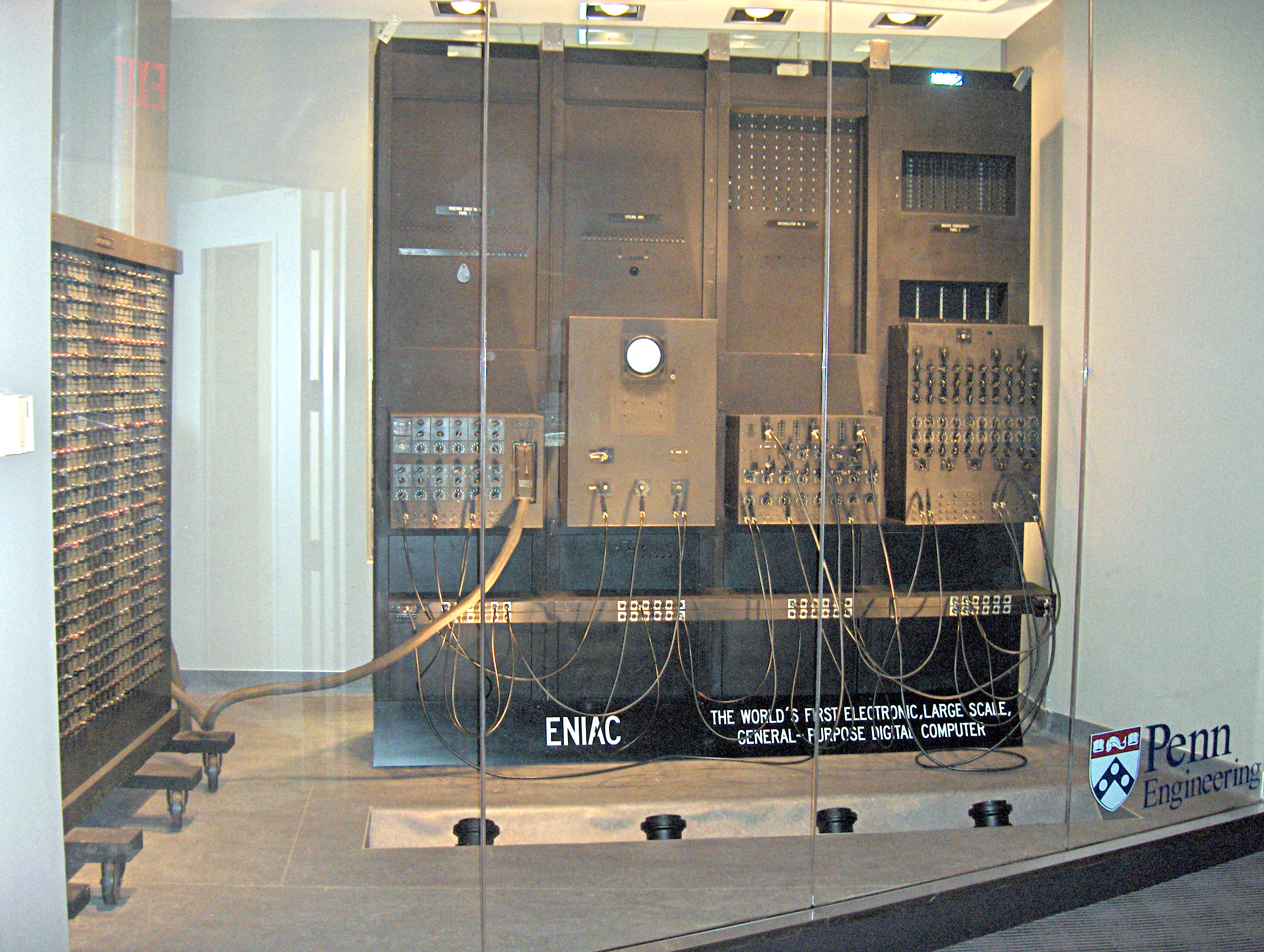
Very big in size
Used vacuum tubes
Produced too much heat
Consumed more electricity
Very costly
👉 Example: ENIAC
🟡 2️⃣ Second Generation (1956 – 1963)
Technology: Transistors
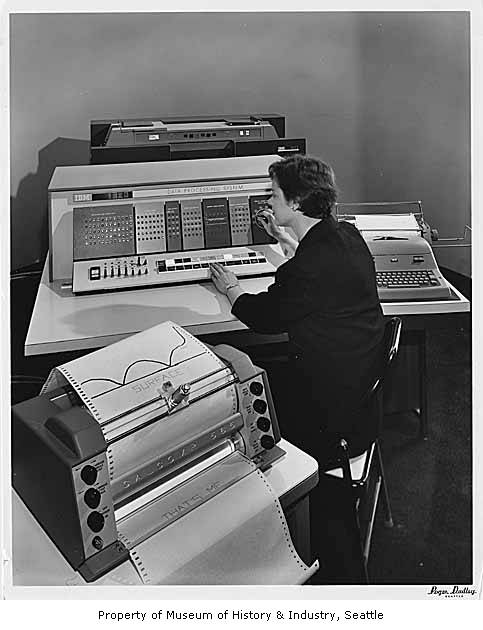
Smaller than first generation
Faster and more reliable
Used less electricity
Less heat
👉 Example: IBM 1401
🔵 3️⃣ Third Generation (1964 – 1971)
Technology: Integrated Circuits (IC)
Smaller and faster
Used IC chips
More reliable
Keyboard and monitor introduced
👉 Example: IBM System/360
🟣 4️⃣ Fourth Generation (1971 – Present)
Technology: Microprocessor

Very small in size
Very fast
Personal computers introduced
Affordable
👉 Example: Intel 4004
🔴 5️⃣ Fifth Generation (Present & Future)
Technology: Artificial Intelligence (AI)

Based on Artificial Intelligence
Can think and learn
Voice recognition
Robotics
👉 Example: AI-based systems like modern smart computers and robots.
📝 Short Summary:
| Generation | Technology | Size | Speed |
|---|---|---|---|
| 1st | Vacuum Tube | Very Big | Slow |
| 2nd | Transistor | Smaller | Faster |
| 3rd | IC | Small | More Faster |
| 4th | Microprocessor | Very Small | Very Fast |
| 5th | AI | Smart Machines | Super Fast |





0 Comments